
The Three Fates and the Mother
The Interpretation of DreamsThis thread follows a hunger dream from immediate need toward Freud's memories of nourishment, mortality, and the maternal figure.
increasing Bearing strength in each event
 decreasing
Bearing strength in each eventdecreasingHunger Before Sleep

Hunger Before Sleep
A bodily need
Freud goes to bed tired and hungry after travel. The physical need provides a direct occasion for a dream about food.
A kitchen scene
Three women appear in a kitchen, and one delays giving him a meal. The simple frustration begins the dream's associative chain.
The Mother as Nourisher
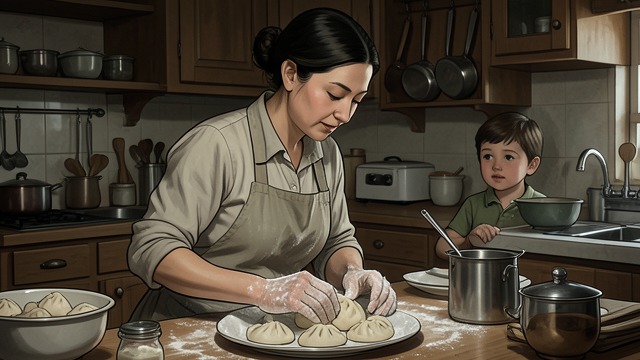
The Mother as Nourisher
Food and early care
The woman preparing dumplings reminds Freud of his mother and childhood meals. Hunger becomes linked to the earliest experience of nourishment.
A deeper attachment
The dream brings love and hunger together at the maternal breast, expanding a bodily need into an emotional memory.
Earth in the Kitchen
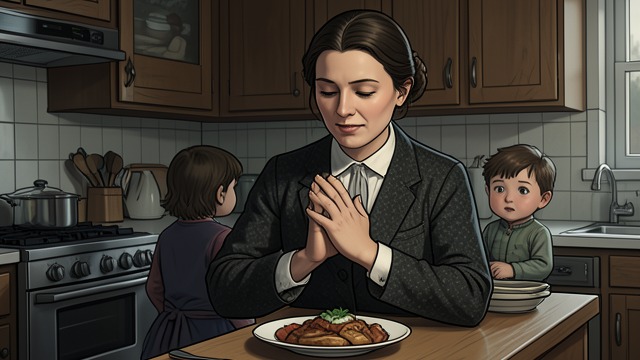
Earth in the Kitchen
A lesson about mortality
Freud remembers his mother rubbing her hands together to show that human beings come from earth. The demonstration astonished the child.
Nourishment and death
The kitchen scene now holds both the promise of food and the prospect of returning to the earth.
The Fates’ Double Meaning
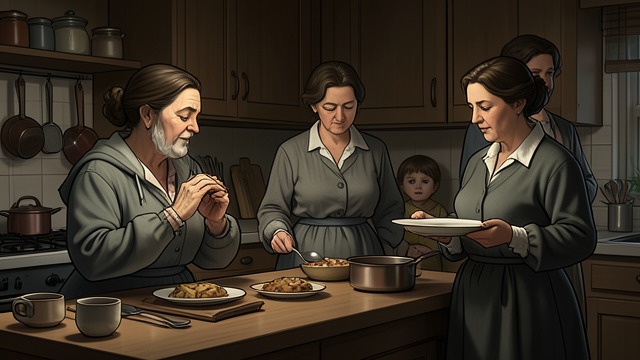
The Fates’ Double Meaning
Three women, three stages
Freud identifies the women with the Three Fates and connects them to mother, beloved, and earth. The dream's figures gather several meanings at once.
A maternal pattern
Its emotional center shifts away from the father-centered conflicts elsewhere in the book toward an ambivalent maternal image.
A Wish Beneath Hunger
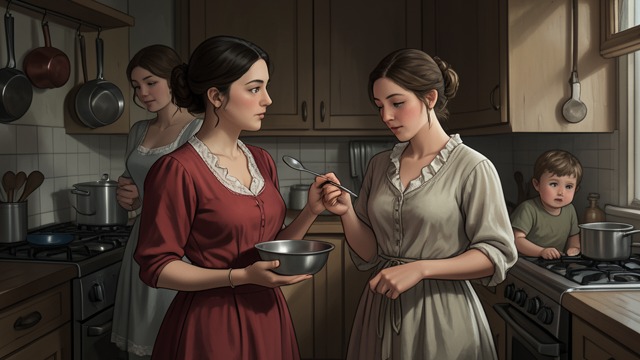
A Wish Beneath Hunger
A modest need conceals more
The dream satisfies hunger but also gives form to deeper wishes that cannot appear plainly. Its ordinary kitchen imagery acts as a screen.
A layered dream
The episode illustrates Freud's claim that one dream can combine several wish-fulfilments and reach back to childhood.
At the start of the dream's occasion
During the first associations
As the childhood memory returns
At the interpretive turn
At the end of the analysis
